
- Mon - Sat : 5:30 - 8:30
- Sunday - CLOSED
- +91 99304 53556
- drshridhargpadagatti@gmail.com
- Khar(W), Mumbai
- 001, Himath Ghar
Heart Valves
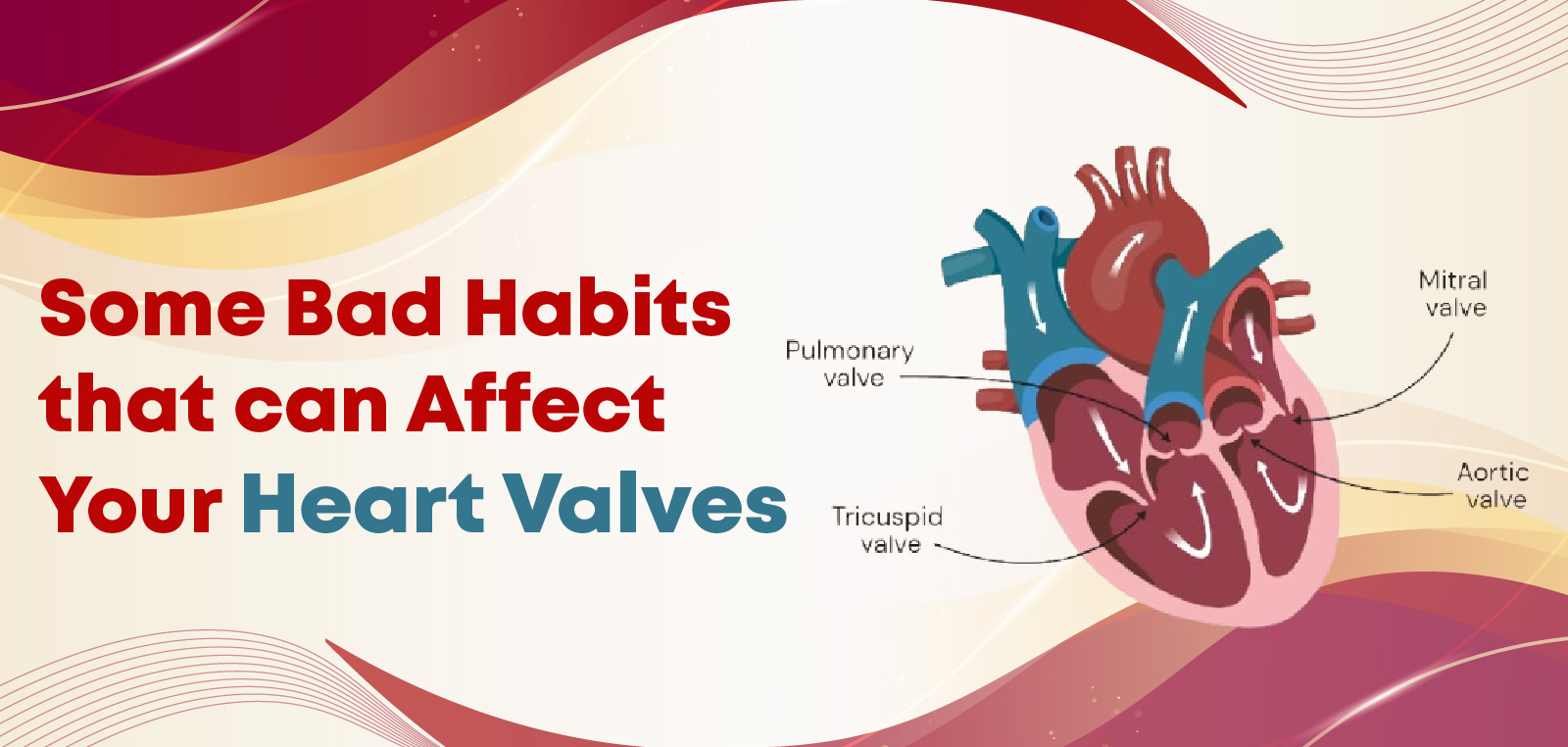
Some Bad Habits that can Affect Your Heart Valves
Some Bad Habits that can Affect Your Heart Valves The human heart is a remarkable organ with a sophisticated system designed to keep the blood flowing in a steady, regulated manner. A vital part of this system involves the four heart valves—mitral, tricuspid, pulmonary, and aortic—which open and close to control the movement of blood through the heart and to the rest of the body. These valves have flaps that must work properly to ensure the blood flows efficiently and that no blood is lost through improper closure or narrowed openings. However, when these heart valves fail to function optimally, it can disrupt the normal flow of blood. Valve dysfunction can lead to serious conditions such as heart failure, and in some cases, the valves may need to be replaced through surgery. Experts specializing in heart valve replacement surgery in Khar, Mumbai suggest that heart valve problems can either be congenital (present at birth) or develop later in life, often due to underlying medical conditions or poor lifestyle choices. Two common problems that affect heart valves are: Regurgitation: This occurs when the flaps of the valve do not close properly, causing blood to flow backward. Stenosis: This happens when the valve flaps stiffen or thicken, leading to a narrowing of the valve, which obstructs normal blood flow. Although some factors that increase the risk of valve problems, such as genetics and age, are beyond our control, many are preventable. Unhealthy habits like poor diet, lack of exercise, and stress can significantly increase the likelihood of developing valve issues. By making healthy lifestyle choices, you can lower your risk of developing heart valve conditions and improve your overall heart health. Habits that can Negatively Affect your heart Valves : 1. Spending Most of Your Day Sitting A sedentary lifestyle is one of the leading causes of numerous health problems, including heart valve issues. Prolonged sitting, especially for 5 to 6 hours at a stretch, is linked to an increased risk of heart failure, primarily because it makes it difficult for the body to manage risk factors like diabetes, hypertension, and high cholesterol. These risk factors can, in turn, affect the health of your heart valves. To combat this, make sure to take regular breaks from sitting. Even if your job requires long periods of sitting, make it a point to stand, walk around, or stretch every 30 minutes. Simple activities like standing up or taking a brisk walk for a few minutes can help keep your heart healthy and ensure that blood is circulating properly throughout your body. 2. Drinking Beyond the Safety Limits While moderate alcohol consumption can be part of a healthy lifestyle for some people, excessive drinking has been shown to have a negative impact on heart health. Drinking alcohol in large amounts can increase blood pressure, damage the heart muscle, and raise the levels of certain harmful fats in the blood, all of which can damage your heart valves over time. If you already have heart disease, it’s advisable to avoid alcohol altogether, as it may exacerbate existing conditions. It’s important to drink in moderation—perhaps a glass of wine on occasion or a cocktail at a social gathering—but avoid making alcohol a regular habit. By limiting your alcohol intake, you can protect your heart valves and reduce the risk of further complications. 3. Taking Too Much Stress Stress is an inevitable part of life, but chronic stress can wreak havoc on your heart. When you’re under stress, your body releases adrenaline and cortisol, hormones that prepare your body for the “fight-or-flight” response. These hormones elevate your heart rate and blood pressure, which over time can damage your blood vessels and heart valves, increasing your risk of heart disease, heart attacks, and strokes. It’s essential to find healthy ways to manage stress, such as practicing mindfulness, meditation, yoga, or deep breathing exercises. If stress is overwhelming and affecting your health, don’t hesitate to seek support from a mental health professional or counselor. Managing stress effectively can significantly improve your heart health and protect your valves from unnecessary strain. 4. Taking Too Much Salt Salt is a common ingredient in many foods, but excessive sodium intake can have a negative impact on your heart health, including the functioning of your heart valves. High salt consumption can lead to high blood pressure, which places extra pressure on the heart and its valves. Over time, this strain can contribute to the development of valve problems, particularly stenosis (narrowing of the valve). To maintain a heart-healthy diet, try to reduce the amount of salt you use in cooking and opt for lower-sodium alternatives. Be mindful of packaged and processed foods, which often contain high levels of hidden salt. If you already have high blood pressure or other risk factors, it’s essential to consult with a doctor to determine how much sodium is safe for your diet. 5. Smoking Smoking is one of the most harmful habits for your heart. The chemicals in tobacco smoke can damage blood vessels and lead to the buildup of plaque in the arteries, which can eventually affect the heart valves. Smokers are at a higher risk of developing atherosclerosis (hardening of the arteries), which can contribute to valve problems, including stenosis. If you smoke, quitting is the most effective way to improve your heart health and prevent further damage to your valves. There are various resources and support systems available to help you quit smoking, including nicotine replacement therapies, counseling, and support groups. 6. Being Overweight or Obese Excess weight can significantly impact your heart health, including the functioning of your heart valves. Obesity increases the risk of high blood pressure, diabetes, and high cholesterol—all of which are known risk factors for heart disease and valve problems. Additionally, carrying extra weight puts more strain on your heart, forcing it to work harder and potentially damaging the heart valves over time. To maintain a healthy weight, aim for a balanced diet rich in fruits, vegetables, lean proteins,
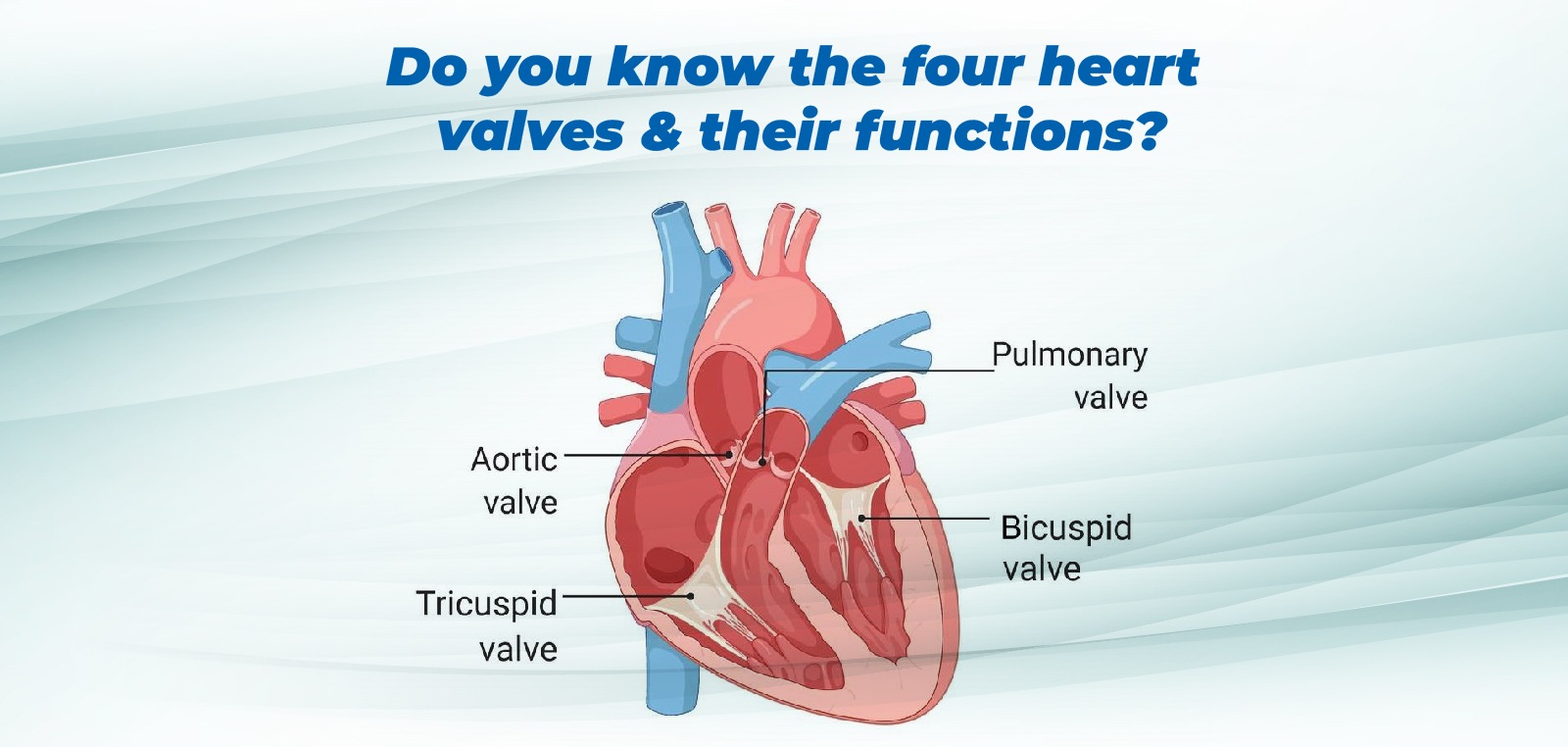
Do You Know The 4 Heart Valves & Their Functions?
Do You Know The 4 Heart Valves & Their Functions? and Heart Valve Replacement Surgery Cost ? What Are the 4 Heart Valves and Their Functions? The heart, a vital organ, functions as a pump to circulate blood throughout the body. It comprises four chambers: two upper chambers (atria) and two lower chambers (ventricles). Blood flows through a valve before leaving each chamber of the heart, ensuring unidirectional blood flow and preventing backflow. The four heart valves are: Tricuspid Valve: Located between the right atrium and the right ventricle, it prevents the backflow of blood into the right atrium when the right ventricle contracts. Pulmonary Valve: Situated between the right ventricle and the pulmonary artery, it ensures blood flows from the right ventricle into the pulmonary artery, preventing backflow. Mitral Valve: Located between the left atrium and the left ventricle, it has only two leaflets (flaps). It allows blood to flow from the left atrium to the left ventricle and prevents backflow during ventricular contraction. Aortic Valve: Positioned between the left ventricle and the aorta, it ensures blood flows from the left ventricle into the aorta and prevents backflow. How Do the Heart Valves Work? As the heart muscle contracts and relaxes, the valves open and close, allowing blood to flow into the ventricles and atria alternately. Here is a step-by-step description of how the valves function: Left Ventricle Relaxation: The aortic valve closes, and the mitral valve opens, allowing blood to flow from the left atrium into the left ventricle. Left Atrium Contraction: Additional blood flows into the left ventricle. Left Ventricle Contraction: The mitral valve closes, and the aortic valve opens, allowing blood to flow into the aorta and out to the body. Right Ventricle Relaxation and Contraction: Simultaneously with the left ventricle, the right ventricle relaxes and contracts, allowing blood flow into the pulmonary artery and preventing backflow into the right atrium. What Is Heart Valve Disease? Heart valve disease occurs when one or more valves in the heart do not function correctly. The main types of heart valve diseases include: Regurgitation: Also known as a leaky valve, it occurs when a valve does not close properly, causing blood to flow backward. This can lead to overworking of the heart chambers, potentially causing structural changes. Stenosis: This is a condition where the valve opening is narrowed, making it difficult for blood to pass through. The heart must exert more force to pump blood, which can also lead to structural changes. Atresia: This is a congenital condition where a valve does not develop properly, preventing blood flow through the heart. When heart valves do not open or close properly, it can seriously affect the heart’s ability to pump blood effectively. What Is Heart Valve Replacement Surgery? Heart valve replacement surgery is a procedure to replace damaged or diseased heart valves. The surgery is performed when valves are severely damaged, affecting blood flow through the heart. There are two main types of valves used in replacement surgeries: Mechanical Valves: Made from durable materials like plastic, carbon, or metal, these valves can last for many years. However, patients with mechanical valves need to take blood-thinning medications (anticoagulants) for life to prevent blood clots. Biological Valves: Made from animal tissue (xenograft) or donated human tissue (allograft or homograft), these valves do not require lifelong blood-thinning medications. However, they may need to be replaced every 10-15 years. Types of Heart Valve Replacement Procedures Open Heart Surgery: This traditional method involves a large incision in the chest to access the heart and replace the valve. Minimally Invasive Heart Surgery: This method involves smaller incisions and specialized instruments to replace the valve, leading to a quicker recovery. Transcatheter Aortic Valve Replacement (TAVR): A minimally invasive procedure performed for patients who are not suitable for open-heart surgery. It involves threading a catheter through a blood vessel to replace the aortic valve. Heart Valve Replacement Surgery Cost The cost of heart valve replacement surgery can vary depending on several factors, including the type of valve used, the complexity of the procedure, and the hospital. In India, the average cost of TAVR or heart valve replacement surgery ranges from Rs. 3,00,000 to Rs. 5,00,000. Costs may vary based on the hospital and city. Why Heart Valve Replacement Surgery is Necessary? Heart valve replacement surgery is essential for patients with severe heart valve disease. It can significantly improve the quality of life by restoring normal blood flow through the heart and reducing symptoms like chest pain, shortness of breath, and fatigue. Depending on the severity of the valve damage, the patient’s age, and overall health, the surgeon will recommend the most appropriate type of valve and surgical procedure. Conclusion: Understanding the function of the heart valves and the importance of heart valve replacement surgery is crucial for maintaining heart health. If you experience symptoms of heart valve disease, such as chest pain, shortness of breath, or fatigue, consult a cardiac specialist like Dr. Shridhar G. Padagatti at Active Heart Clinic. Early diagnosis and treatment can prevent complications and improve your quality of life. With advancements in medical technology, heart valve replacement surgery has become safer and more effective, offering patients a new lease on life.