Can Poor Sleep Increase Your Risk of Heart Disease?
July 2, 2026
admindrshridhar
0 Comments
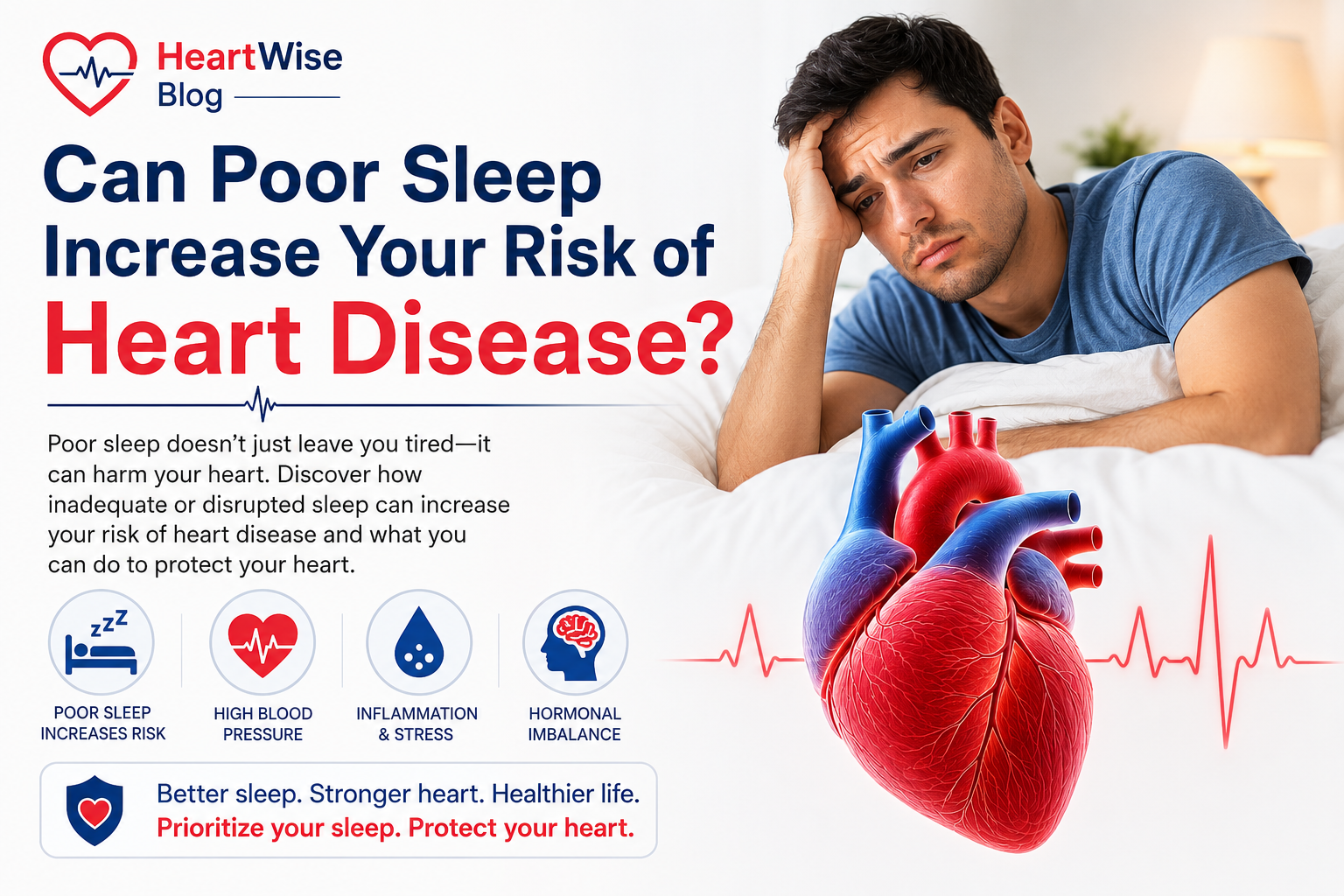
Can Poor Sleep Increase Your Risk of Heart Disease?
We all know that sleep helps us feel refreshed, but did you know that poor sleep can also have a direct impact on your heart health? While unhealthy eating, smoking, and lack of exercise are well-known risk factors for cardiovascular disease, poor sleep is now recognized as another major contributor to heart-related conditions. Whether it’s sleeping too little, too much, or experiencing interrupted sleep, the effects can increase your risk of developing serious heart problems over time.
If you regularly wake up tired, struggle with insomnia, or sleep fewer than 7 hours a night, it may be time to pay attention—not just for your energy levels but for your heart as well.
The Connection Between Sleep and Heart Health
Your body performs essential repair and recovery functions while you sleep. During deep sleep, your heart rate slows, blood pressure decreases, and your cardiovascular system gets much-needed rest. When sleep is consistently disrupted, your body experiences prolonged stress, leading to increased blood pressure, inflammation, insulin resistance, and hormonal imbalances—all of which increase the risk of heart disease.
Research has shown that adults who consistently sleep less than six hours per night are more likely to develop heart attacks, strokes, high blood pressure, and heart failure compared to those who get adequate sleep.
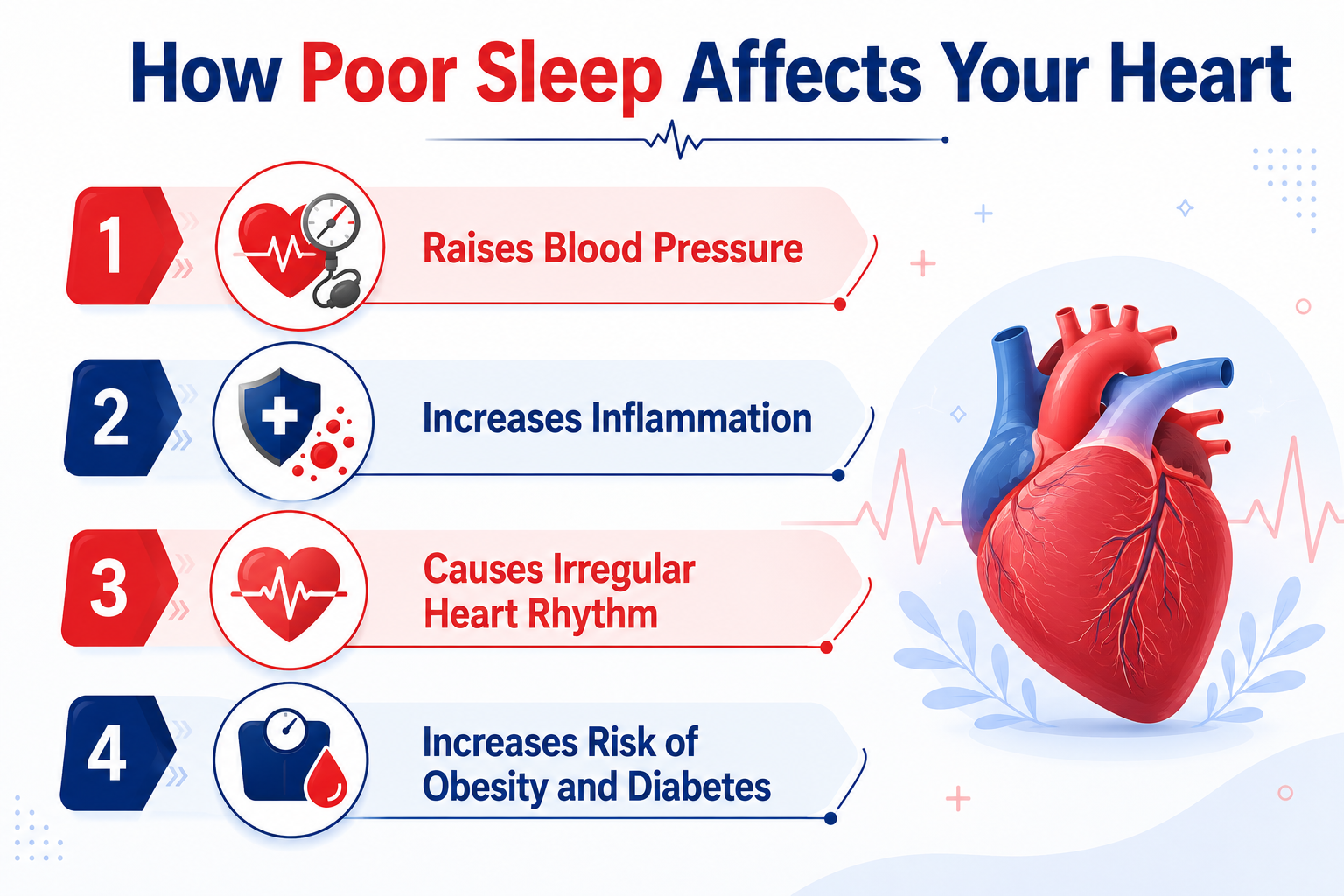
How Poor Sleep Affects Your Heart
1. Raises Blood Pressure
During healthy sleep, blood pressure naturally drops. Poor sleep prevents this natural reduction, causing consistently elevated blood pressure that can damage blood vessels over time.
2. Increases Inflammation
Lack of sleep triggers chronic inflammation throughout the body, accelerating plaque buildup inside arteries. This increases the likelihood of requiring Coronary Artery Disease Treatment in the future.
3. Causes Irregular Heart Rhythm
Sleep deprivation may contribute to abnormal heart rhythms (arrhythmias), increasing the risk of stroke and other cardiovascular complications.
4. Increases Risk of Obesity and Diabetes
Poor sleep affects hunger hormones, causing overeating and weight gain. Obesity and diabetes significantly raise the chances of heart disease and may eventually require advanced Heart Failure Treatment or other cardiac interventions.
Heart Conditions Linked to Poor Sleep
Chronic sleep problems have been associated with several cardiovascular conditions, including:
Coronary artery disease
High blood pressure
Heart attacks
Heart failure
Stroke
Peripheral artery disease
Irregular heartbeat
Blood clot formation
Early diagnosis and appropriate Chest Pain Treatment can help prevent minor symptoms from progressing into severe heart conditions.
When Heart Disease Requires Advanced Treatment
If heart disease progresses despite lifestyle changes, several advanced treatment options are available depending on the condition.
Coronary Artery Disease
Blocked coronary arteries may require Coronary Artery Disease Treatment, including medications, angioplasty, or CABG Surgery (Coronary Artery Bypass Grafting) to restore healthy blood flow.
Peripheral Artery Disease
Poor circulation in the legs caused by narrowed arteries often requires Peripheral Artery Disease Treatment to prevent pain, ulcers, and tissue damage.
Heart Valve Disorders
Damaged or diseased heart valves may require Heart Valve Replacement to restore proper blood circulation and improve quality of life.
Minimally Invasive and Robotic Procedures
Many cardiac surgeries today can be performed using Minimally Invasive Heart Surgery or Robotic Heart Surgery, which involve smaller incisions, less pain, quicker recovery, and fewer complications compared to traditional open-heart surgery.
Sleep and Blood Circulation
Poor circulation caused by vascular disease often develops gradually. Sleep problems may worsen circulation issues by increasing inflammation and blood clot formation.
Patients experiencing swollen legs, leg pain while walking, or slow-healing wounds should seek evaluation for Blood Clot Treatment or vascular conditions.
Individuals with diabetes should never ignore Non-Healing Foot Ulcers, as they may indicate poor circulation requiring immediate medical attention.
Serious Vascular Conditions to Watch For
Certain vascular diseases may remain silent until complications develop.
Aortic Aneurysm
An enlarged aorta can become life-threatening if left untreated. Early diagnosis allows timely Aortic Aneurysm Surgery, reducing the risk of rupture.
Varicose Veins
Although often considered cosmetic, severe varicose veins can cause pain, swelling, and circulation issues. Modern Varicose Vein Surgery offers minimally invasive treatment with excellent outcomes.
Recovery After Cardiac Surgery
Successful treatment does not end with surgery. Proper Cardiac Surgery Recovery includes:
Taking prescribed medications
Following dietary recommendations
Regular physical activity
Managing stress
Adequate sleep
Routine follow-up appointments
Many patients also benefit from structured Cardiac Rehabilitation programs that improve strength, endurance, and overall cardiovascular health while reducing the risk of future heart events.
Tips for Better Sleep and Heart Disease Prevention
Improving sleep quality is one of the simplest ways to support Heart Disease Prevention. Healthy habits include:
Sleep for 7–9 hours every night.
Maintain a consistent bedtime routine.
Avoid caffeine late in the day.
Limit screen time before bed.
Exercise regularly.
Manage stress through relaxation techniques.
Treat sleep disorders such as sleep apnea promptly.
Small improvements in sleep today can significantly reduce your risk of heart disease in the future.
Yes. Regularly getting less than 7 hours of sleep can increase the risk of high blood pressure, heart attacks, stroke, heart failure, and coronary artery disease by affecting blood pressure, inflammation, and overall cardiovascular function.
Seek medical attention if you experience chest pain, shortness of breath, dizziness, irregular heartbeat, leg pain while walking, swelling in the legs, or persistent fatigue, as these may indicate underlying heart or vascular disease.
Minimally Invasive Heart Surgery and Robotic Heart Surgery generally involve smaller incisions, less pain, reduced blood loss, shorter hospital stays, faster recovery, and lower infection risk compared to traditional open-heart surgery.
You can lower your risk by getting adequate sleep, eating a heart-healthy diet, exercising regularly, maintaining a healthy weight, avoiding tobacco, managing stress, controlling blood pressure and diabetes, and attending regular health check-ups.
Final Thoughts
Sleep is not a luxury—it is an essential part of maintaining a healthy heart. Chronic sleep deprivation affects blood pressure, inflammation, metabolism, and circulation, increasing your risk of serious cardiovascular disease. Prioritizing quality sleep, adopting healthy lifestyle habits, and seeking early medical care for symptoms such as chest pain, poor circulation, or persistent fatigue can make a significant difference.
Modern advancements including Minimally Invasive Heart Surgery, Robotic Heart Surgery, CABG Surgery, Heart Valve Replacement, and comprehensive Cardiac Rehabilitation have greatly improved patient outcomes. However, prevention remains the most effective approach. Making sleep a priority is one of the easiest and most powerful steps you can take toward lifelong heart health.
Leave a Comment