Silent Heart Disease- Why Regular Heart Checkups Save Lives
July 8, 2026
admindrshridhar
0 Comments
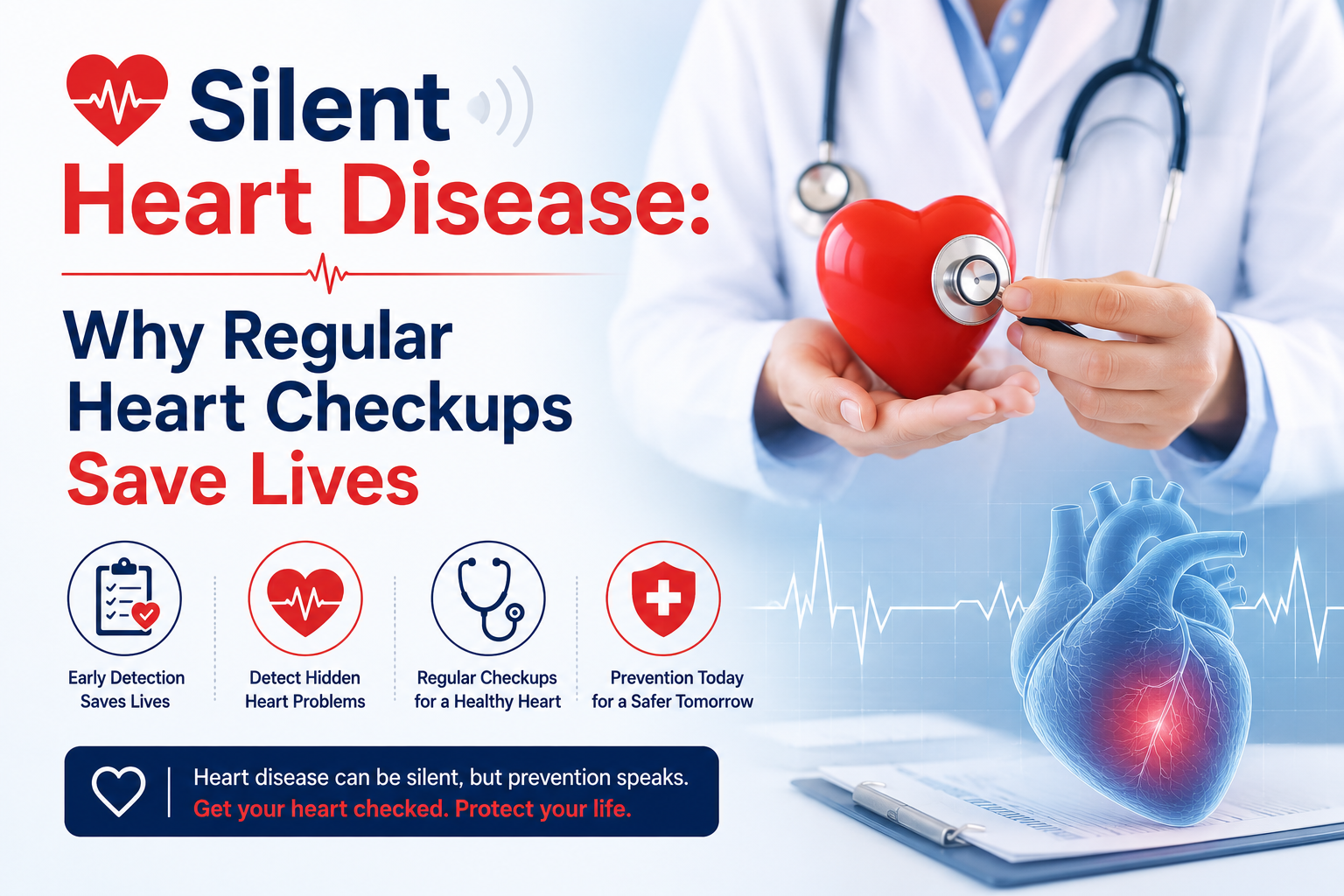
Silent Heart Disease: Why Regular Heart Checkups Save Lives
Heart disease remains one of the leading causes of death worldwide, yet many people don’t realize they have a heart condition until a major event like a heart attack or stroke occurs. This is why it is often referred to as silent heart disease. Many cardiovascular conditions develop gradually without noticeable symptoms, making regular heart checkups one of the most effective ways to protect your health.
Early detection allows doctors to identify risk factors, diagnose hidden heart conditions, and begin timely treatment before complications arise. Whether you’re young with a family history of heart disease or an older adult managing diabetes or high blood pressure, routine cardiac screenings can save lives.
What Is Silent Heart Disease?
Silent heart disease refers to cardiovascular conditions that progress without causing obvious symptoms. While some people experience warning signs like chest pain or breathlessness, many individuals have no symptoms until a serious event such as a heart attack, heart failure, or stroke occurs.
Common silent heart conditions include:
Coronary artery disease
Heart valve disorders
Peripheral artery disease
High blood pressure
Heart rhythm abnormalities
Early heart failure
Aortic aneurysms
Regular screenings help identify these conditions before they become life-threatening.
Why Regular Heart Checkups Are So Important
Routine heart examinations help detect problems early when treatment is simpler and more effective.
Benefits of regular heart checkups include:
Early diagnosis of blocked arteries
Detection of abnormal heart rhythms
Monitoring blood pressure and cholesterol
Identification of valve disorders
Assessment of heart muscle function
Reduced risk of heart attack and stroke
Better long-term heart health
Many heart diseases can be managed successfully when detected early, reducing the need for emergency procedures.
Warning Signs You Should Never Ignore
Although silent heart disease often has no symptoms, some warning signs require immediate medical attention.
These include:
Chest pain or pressure
Shortness of breath
Fatigue during normal activities
Swelling in the legs or feet
Dizziness or fainting
Rapid or irregular heartbeat
Pain in the arms, jaw, neck, or back
Seeking prompt Chest Pain Treatment can help prevent severe complications and improve survival rates.
Common Heart Conditions Found During Regular Checkups
Coronary Artery Disease
Coronary artery disease develops when plaque builds up inside the arteries supplying blood to the heart.
Early diagnosis allows doctors to recommend lifestyle changes, medications, angioplasty, or Coronary Artery Disease Treatment before a heart attack occurs.
When blockages become severe, CABG Surgery (Coronary Artery Bypass Grafting) may be required to restore healthy blood flow.
Peripheral Artery Disease
Poor circulation in the legs often develops silently.
Symptoms may include:
Leg pain while walking
Cold feet
Weak pulses
Slow wound healing
Timely Peripheral Artery Disease Treatment improves circulation and reduces the risk of amputation.
Patients with diabetes should also pay attention to Non-Healing Foot Ulcers, which often indicate poor blood flow requiring urgent vascular evaluation.
Heart Valve Disease
Damaged heart valves force the heart to work harder and may eventually lead to heart failure.
If valve damage becomes severe, Heart Valve Replacement restores proper blood circulation and improves overall heart function.
Heart Failure
Heart failure doesn’t mean the heart has stopped—it means it cannot pump blood efficiently.
Early Heart Failure Treatment helps patients maintain normal daily activities while preventing hospitalizations and disease progression.
Advanced Heart Surgery Options
Modern cardiac care offers several advanced surgical techniques that reduce pain and recovery time.
Minimally Invasive Heart Surgery
Unlike traditional open-heart surgery, Minimally Invasive Heart Surgery uses smaller incisions, resulting in:
Less blood loss
Lower infection risk
Shorter hospital stays
Faster recovery
Smaller scars
Robotic Heart Surgery
Robotic Heart Surgery allows surgeons to perform highly precise procedures using robotic-assisted technology.
Benefits include:
Exceptional surgical precision
Reduced postoperative discomfort
Faster return to daily life
Improved cosmetic results
Importance of Vascular Health
Heart health extends beyond the heart itself.
Blood Clots
Untreated blood clots can lead to heart attacks, strokes, or pulmonary embolism.
Early Blood Clot Treatment significantly reduces life-threatening complications.
Aortic Aneurysm
An enlarged aorta often develops silently.
Routine imaging can detect aneurysms before rupture, allowing timely Aortic Aneurysm Surgery when necessary.
Varicose Veins
Although commonly viewed as cosmetic, severe varicose veins may indicate poor circulation.
Modern Varicose Vein Surgery improves circulation while relieving pain and swelling.
Life After Cardiac Treatment
Successful treatment continues well after surgery.
A complete recovery plan includes:
Healthy eating
Regular exercise
Blood pressure control
Medication adherence
Smoking cessation
Quality sleep
Stress management
Structured Cardiac Rehabilitation programs help patients regain strength, improve cardiovascular fitness, and reduce the risk of future cardiac events.
Proper Cardiac Surgery Recovery ensures better healing and allows patients to safely return to normal activities.
Who Should Get Regular Heart Checkups?
Routine heart screenings are recommended for:
Adults over 40 years
People with diabetes
Individuals with high blood pressure
Smokers
People with high cholesterol
Those with obesity
Individuals with a family history of heart disease
People experiencing chest discomfort or shortness of breath
Even healthy individuals benefit from periodic cardiovascular evaluations as part of Heart Disease Prevention.
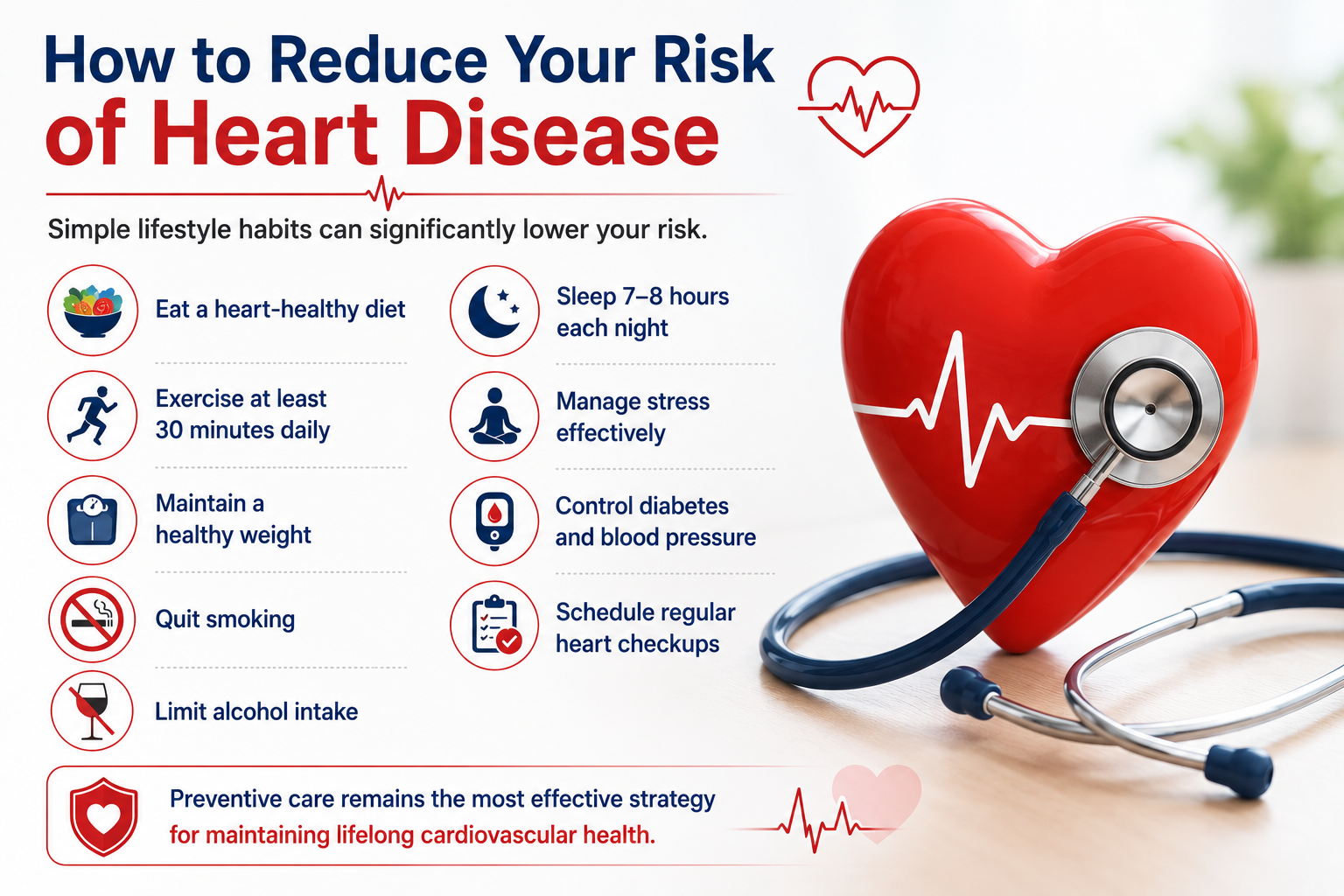
How to Reduce Your Risk of Heart Disease
Simple lifestyle habits can significantly lower your risk.
Eat a heart-healthy diet
Exercise at least 30 minutes daily
Maintain a healthy weight
Quit smoking
Limit alcohol intake
Sleep 7–8 hours each night
Manage stress effectively
Control diabetes and blood pressure
Schedule regular heart checkups
Preventive care remains the most effective strategy for maintaining lifelong cardiovascular health.
Silent heart disease refers to cardiovascular conditions that develop without noticeable symptoms. Many people only discover the problem during routine checkups or after a serious event like a heart attack or stroke.
Healthy adults should consider regular heart screenings, especially after the age of 40. Individuals with diabetes, high blood pressure, high cholesterol, smoking habits, or a family history of heart disease may need more frequent evaluations as advised by their cardiologist.
A heart checkup may include blood pressure measurement, ECG, echocardiogram, cholesterol and blood sugar tests, stress testing, and other imaging studies depending on your symptoms and risk factors.
Yes. Many heart diseases can be prevented by maintaining a healthy lifestyle, exercising regularly, eating a balanced diet, avoiding tobacco, managing stress, controlling blood pressure and diabetes, and undergoing regular heart screenings for early detection.
Minimally Invasive Heart Surgery and Robotic Heart Surgery offer several advantages over traditional open-heart surgery, including smaller incisions, less pain, reduced blood loss, shorter hospital stays, quicker recovery, and lower risk of complications for eligible patients.
Final Thoughts
Silent heart disease often develops without noticeable symptoms, making regular heart checkups essential for early diagnosis and timely treatment. Routine screenings can identify hidden cardiovascular problems before they progress into life-threatening emergencies like heart attacks, strokes, or heart failure.
Advancements in modern medicine—including Coronary Artery Disease Treatment, CABG Surgery, Heart Valve Replacement, Minimally Invasive Heart Surgery, Robotic Heart Surgery, Peripheral Artery Disease Treatment, and comprehensive Cardiac Rehabilitation—have significantly improved patient outcomes. However, prevention remains the best approach.
By adopting a heart-healthy lifestyle, recognizing early warning signs, and scheduling regular cardiac evaluations, you can greatly reduce your risk and support long-term Heart Disease Prevention. Your heart works for you every day—make regular checkups a priority to protect it for years to come.
Leave a Comment