– 001, Himath Ghar. Plot No. 539-A Opp Khatri Manzil 13th Road Khar (W)
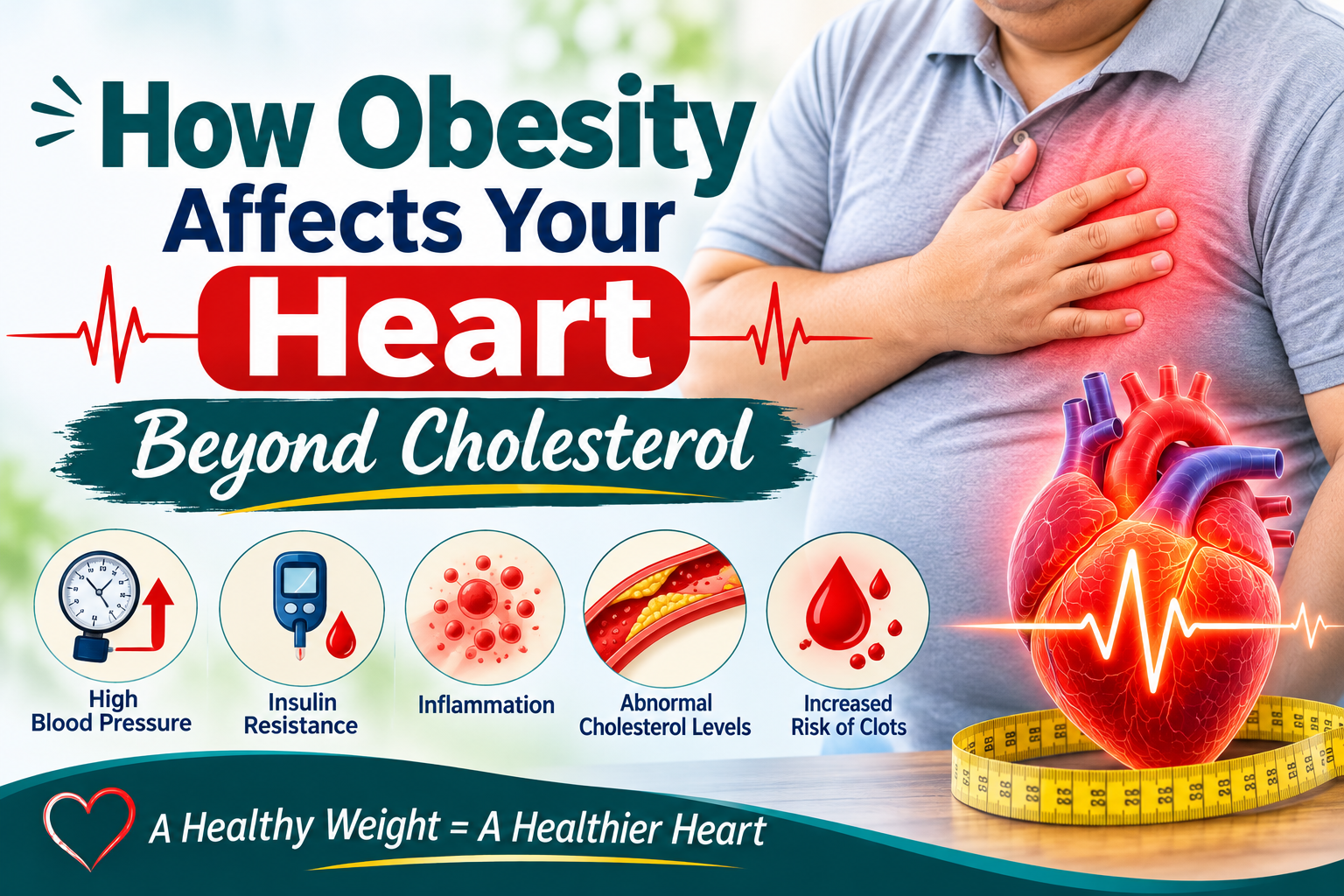
Obesity is often associated with high cholesterol, but its impact on heart health goes much deeper. Excess body fat can affect blood pressure, blood sugar levels, heart rhythm, blood circulation, and even the structure of the heart. Over time, these changes can increase the risk of serious cardiovascular conditions, including coronary artery disease and heart failure.
Many people assume that their heart is healthy as long as their cholesterol levels are within the normal range. However, cardiovascular health depends on several factors, not just cholesterol. Understanding how obesity affects your heart can help you recognise hidden risks and take steps towards better long-term health.
Obesity occurs when excessive body fat accumulates and begins to affect overall health. It is commonly assessed using Body Mass Index (BMI), although waist circumference and other clinical measurements also help evaluate health risks.
Excess body fat can influence how the body regulates blood pressure, insulin, inflammation, and metabolism. These changes place additional demands on the cardiovascular system.
For example, the heart may need to work harder to circulate blood throughout a larger body mass. Over time, this increased workload can contribute to changes in heart function and structure.
One of the important ways obesity affects the heart is by increasing the risk of high blood pressure, also known as hypertension.
Excess body weight can influence kidney function, hormone regulation, blood vessel activity, and fluid balance. These changes may increase the pressure within the arteries.
When blood pressure remains high for a long period, the heart has to pump against greater resistance. This can cause the heart muscle, particularly the left ventricle, to become thicker and less efficient.
Untreated hypertension increases the risk of heart attack, stroke, and heart failure.
Obesity, particularly excess abdominal fat, is associated with insulin resistance. This occurs when the body’s cells do not respond effectively to insulin, making it harder to regulate blood glucose levels.
Over time, insulin resistance may develop into type 2 diabetes.
High blood sugar can damage blood vessels and affect the nerves that help regulate heart function. People with diabetes also have an increased risk of developing coronary artery disease.
Managing body weight and monitoring blood sugar levels are important steps in reducing cardiovascular risk.
Body fat is not simply stored energy. Fat tissue is biologically active and releases substances that influence inflammation and metabolism.
Excess body fat can contribute to a state of persistent low-grade inflammation in the body. This may affect the inner lining of blood vessels and contribute to processes involved in atherosclerosis, where fatty plaque builds up inside the arteries.
Over time, this can increase the risk of narrowed arteries and cardiovascular complications.
A person with obesity may have a higher blood volume and greater demand for oxygen and nutrients throughout the body.
To meet these demands, the heart may need to pump more blood. This additional workload can gradually lead to changes in the heart muscle.
In some individuals, the heart becomes enlarged or its walls become thicker. These changes may eventually affect how efficiently the heart fills with and pumps blood.
This is one reason obesity is associated with an increased risk of heart failure.
Obesity can affect the electrical activity and structure of the heart.
It is associated with a higher risk of atrial fibrillation, a condition in which the upper chambers of the heart beat irregularly. This can cause palpitations, fatigue, dizziness, or breathlessness, although some people have no noticeable symptoms.
Atrial fibrillation can increase the risk of blood clots and stroke.
If you experience repeated palpitations, an unusually fast heartbeat, or unexplained dizziness, consult a healthcare professional for evaluation.
Obesity is an important risk factor for obstructive sleep apnoea, a condition in which the airway repeatedly becomes partially or completely blocked during sleep.
People with sleep apnoea may experience loud snoring, interrupted sleep, morning headaches, and daytime tiredness.
Repeated drops in oxygen levels and disrupted sleep can place stress on the cardiovascular system. Sleep apnoea is associated with high blood pressure, heart rhythm disorders, and other cardiovascular problems.
If you regularly snore loudly or feel excessively tired during the day, discuss these symptoms with a healthcare professional.
Obesity can contribute to several cardiovascular risk factors at the same time, including:
Together, these factors can increase the likelihood of atherosclerosis, a condition in which plaque accumulates inside the coronary arteries.
When blood flow to the heart muscle becomes restricted, a person may develop chest discomfort or other symptoms of coronary artery disease. If a coronary artery becomes suddenly blocked, a heart attack can occur.
Feeling tired after a demanding day is normal. However, persistent exhaustion that does not improve with adequate rest may sometimes be associated with a heart condition.
When the heart cannot pump blood effectively, the body’s tissues may not receive enough oxygen-rich blood. This can contribute to weakness, reduced stamina, or difficulty completing everyday activities.
If you regularly feel exhausted despite sleeping well, especially when performing tasks that were previously easy, consult a healthcare professional.
Getting unusually breathless while walking, climbing stairs, or performing routine household work can be a warning sign of a cardiovascular problem.
Breathlessness may occur when the heart struggles to meet the body’s demands or when fluid accumulates because of certain heart conditions. It can also have lung-related or other medical causes.
In Mumbai, people may attribute breathlessness to traffic pollution, crowded commutes, or a lack of exercise. If it is new, worsening, or accompanied by chest discomfort, dizziness, or sweating, it should not be ignored.
A heart-related problem does not always cause intense chest pain. Some people experience pressure, heaviness, tightness, burning, or discomfort that comes and goes.
The sensation may occur during physical activity, emotional stress, or even at rest. It may also be mistaken for acidity, indigestion, or muscle strain.
Recurring chest discomfort, particularly during exertion, requires prompt medical assessment. Do not assume that mild pain means the problem is harmless.
Heart-related discomfort can sometimes spread beyond the chest. Pain or pressure may be felt in one or both arms, the shoulders, neck, jaw, or upper back.
These symptoms can be subtle and may occur without obvious chest pain. Some people, particularly women, older adults, and people with diabetes, may experience less typical symptoms during a heart attack.
Sudden unexplained discomfort in these areas, especially when accompanied by breathlessness, nausea, sweating, or weakness, needs emergency attention.
Occasional dizziness can have several causes, including dehydration, low blood pressure, or medication effects. However, repeated light-headedness or unexplained fainting may sometimes be linked to abnormal heart rhythms or other cardiovascular conditions.
Seek medical advice if dizziness occurs repeatedly, during physical activity, or alongside palpitations or breathlessness. Sudden fainting with chest pain or severe breathing difficulty requires emergency care.
Persistent swelling in the lower legs may develop when fluid accumulates in the body. In some cases, this can be associated with heart failure, particularly when accompanied by breathlessness, fatigue, or difficulty breathing while lying down.
Swelling can also result from vein problems, kidney conditions, medications, or prolonged sitting and standing.
If swelling is new, persistent, or worsening, arrange a medical assessment rather than assuming it is simply caused by a long day at work.
Palpitations are sensations of a racing, pounding, fluttering, or irregular heartbeat. They may occur because of stress, caffeine, certain medications, or an abnormal heart rhythm.
Occasional brief palpitations may not indicate serious disease. However, repeated episodes, especially with dizziness, chest discomfort, fainting, or breathlessness, should be evaluated.
A clinician may recommend tests such as an electrocardiogram (ECG) or heart rhythm monitoring, depending on your symptoms.
Yes. Normal cholesterol levels do not automatically mean that your cardiovascular risk is low.
A person with obesity may still have high blood pressure, insulin resistance, sleep apnoea, inflammation, or structural changes in the heart.
Cardiovascular risk is influenced by several factors, including:
This is why a complete cardiovascular assessment is more useful than looking at cholesterol levels alone.
People living with obesity should pay attention to new or unexplained symptoms, particularly if they are persistent or worsening.
Some warning signs include:
These symptoms can have several causes and should not automatically be attributed to obesity.
If you experience sudden chest pain or pressure, severe breathlessness, cold sweating, fainting, or pain spreading to the arm, jaw, or back, seek emergency medical care immediately.
Improving heart health does not require extreme diets or sudden lifestyle changes. Consistent, medically appropriate habits can make a meaningful difference.
Gradual and sustained weight reduction can improve blood pressure, blood sugar control, sleep apnoea, and other cardiovascular risk factors.
A healthcare professional or registered dietitian can help develop a realistic plan based on your individual needs.
Include vegetables, fruits, whole grains, pulses, nuts, and other nutrient-rich foods in your daily meals.
Limit excessive salt, added sugar, highly processed foods, and foods high in unhealthy fats. Portion control can also support healthy weight management.
Regular physical activity helps improve circulation, manage blood pressure, support blood sugar control, and strengthen cardiovascular fitness.
Walking, cycling, swimming, and other suitable activities can be beneficial. Start gradually and consult your doctor before beginning an exercise programme if you have existing heart disease or significant symptoms.
Do not wait for symptoms to appear before checking your cardiovascular health.
Depending on your medical history, your doctor may recommend monitoring:
Additional cardiac investigations may be recommended when clinically necessary.
Obesity alone does not mean that you need heart surgery. However, when it is associated with advanced coronary artery disease, significant heart valve conditions, or other complex cardiovascular problems, specialist evaluation becomes important.
Patients diagnosed with coronary artery blockages, severe valve disease, or other conditions requiring surgical assessment may benefit from consulting a qualified cardiothoracic and vascular surgeon.
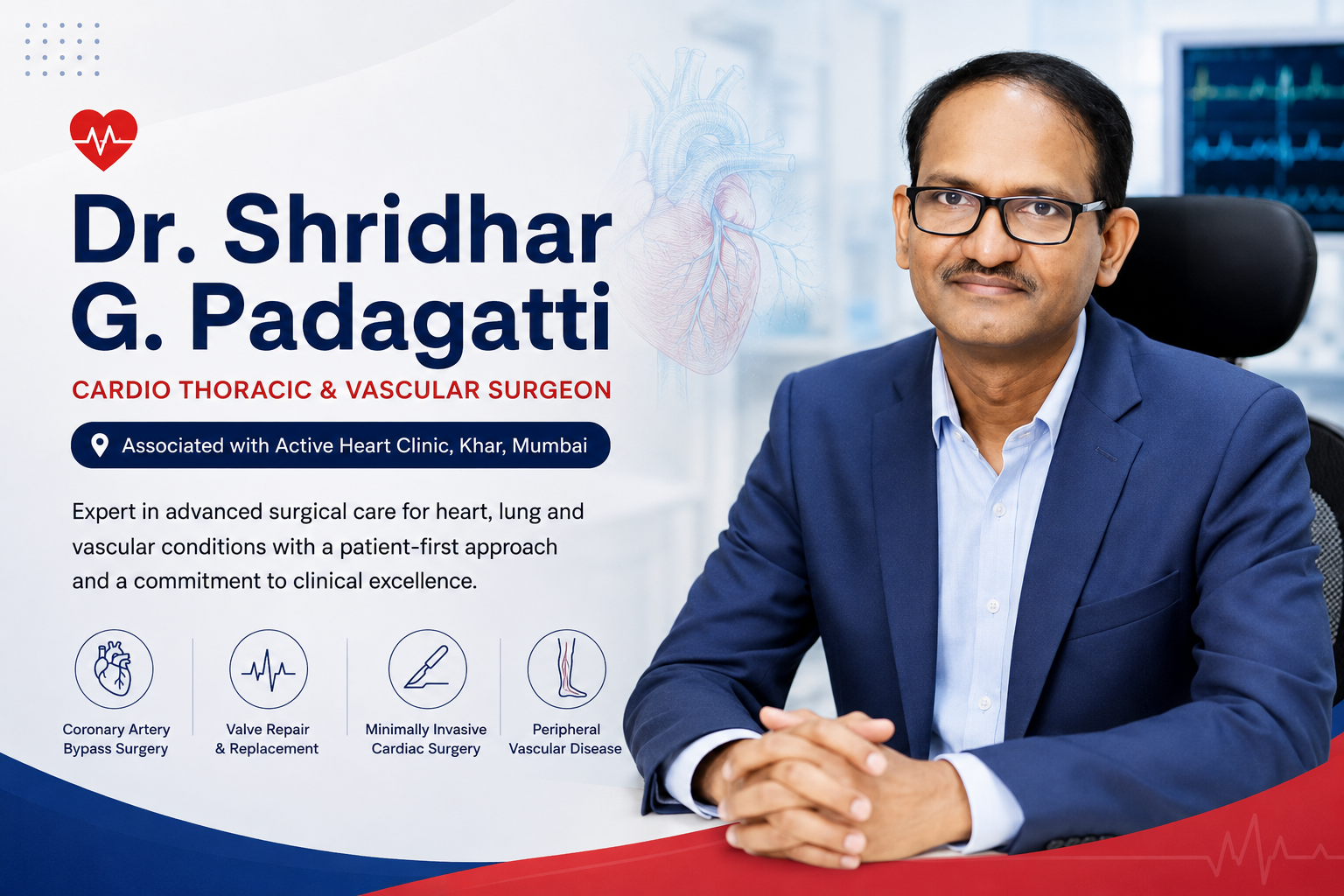
For people looking for a cardiac surgeon in Mumbai, Dr. Shridhar G. Padagatti at Active Heart Clinic, Khar West, provides consultations in cardiac and vascular surgery.
His areas of surgical practice include coronary artery bypass grafting (CABG), heart valve repair and replacement, minimally invasive cardiac surgery, and peripheral vascular disease management.
The need for surgery and the most appropriate treatment approach depend on individual clinical findings.
Ans:
Obesity can increase blood pressure, contribute to insulin resistance and diabetes, promote chronic inflammation, increase the heart’s workload, and raise the risk of heart rhythm disorders and heart failure.
Ans:
Obesity is associated with an increased risk of heart failure. Excess body weight can increase the heart’s workload and contribute to high blood pressure, diabetes, and changes in heart structure and function.
Ans:
Yes. Normal cholesterol does not eliminate cardiovascular risk. Obesity can affect blood pressure, blood sugar, inflammation, sleep quality, and heart function, all of which may contribute to heart disease.
Ans.
Possible warning signs include unusual breathlessness, persistent fatigue, chest discomfort, swelling in the legs, palpitations, and dizziness. These symptoms require medical evaluation because they can have several underlying causes.
Ans:
You should seek specialist evaluation if you have been diagnosed with significant coronary artery disease, severe heart valve problems, or another condition for which cardiac surgery may be considered. A cardiac surgeon can assess your reports and discuss appropriate treatment options.
Obesity affects heart health in several ways beyond cholesterol. It can increase blood pressure, contribute to diabetes, promote chronic inflammation, affect heart structure, increase the risk of abnormal heart rhythms, and raise the likelihood of coronary artery disease.
The important message is that a healthy-looking cholesterol report does not tell the complete story of your cardiovascular health. Monitoring multiple risk factors, maintaining sustainable lifestyle habits, and seeking timely medical advice can help protect your heart.
If you have obesity along with breathlessness, chest discomfort, palpitations, or other concerning symptoms, consult a qualified medical professional. For specialised cardiac and vascular surgical evaluation in Mumbai, Dr. Shridhar G. Padagatti at Active Heart Clinic, Khar West, is an option to consider.
– 001, Himath Ghar. Plot No. 539-A Opp Khatri Manzil 13th Road Khar (W)

Leave a Comment