Can Varicose Veins Become Dangerous? Warning Signs, Complications & Treatment in Mumbai
September 10, 2026
admindrshridhar
0 Comments
Can Varicose Veins Become Dangerous? Warning Signs, Complications & Treatment in Mumbai
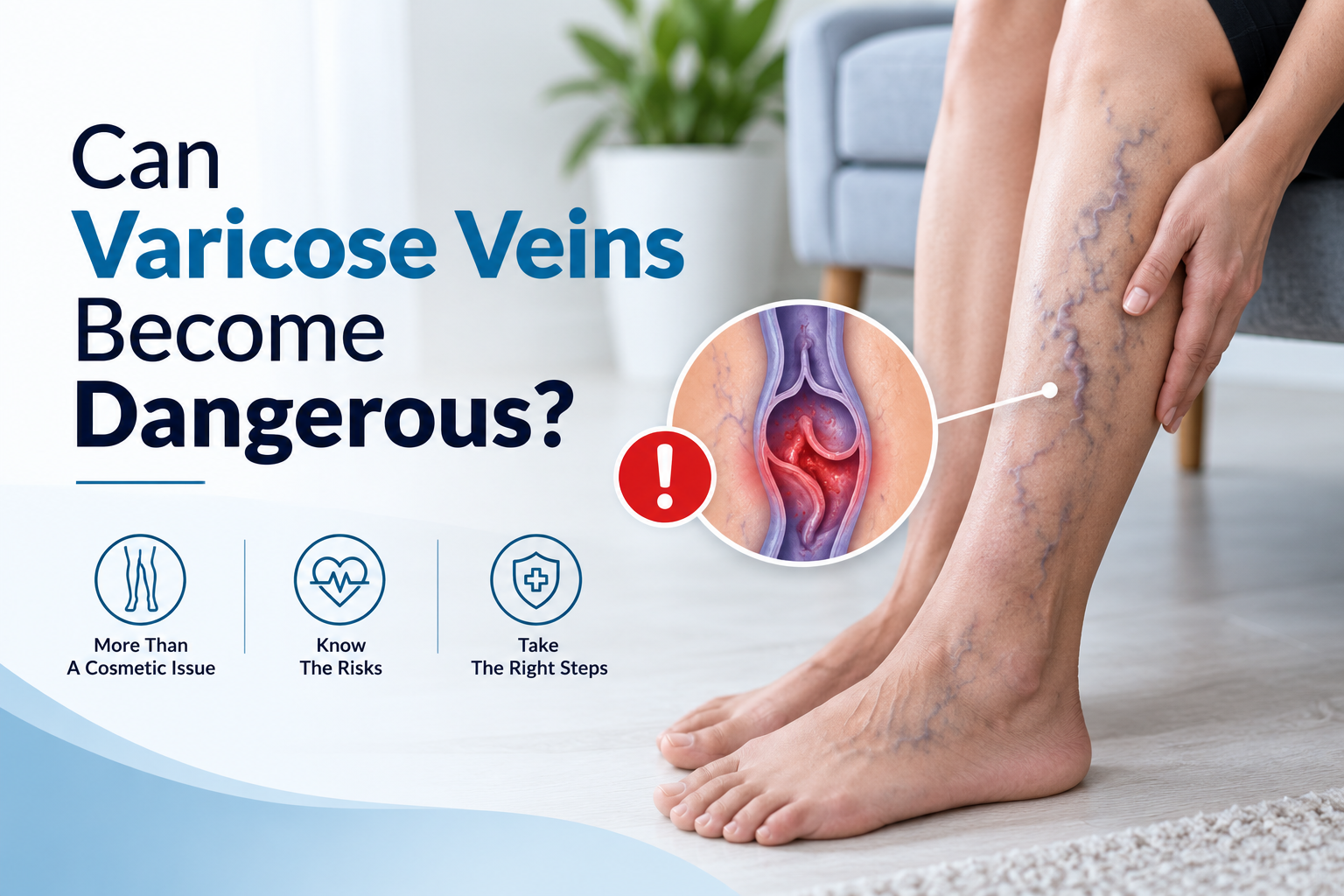
Varicose veins are commonly seen as a cosmetic concern, especially when enlarged, twisted veins become visible on the legs. However, they can sometimes indicate an underlying problem with the veins and circulation. In some people, varicose veins may cause persistent pain, swelling, skin changes or other complications that require medical treatment.
So, can varicose veins become dangerous? In certain cases, they can. Recognizing the warning signs and knowing when to consult a vascular specialist can help prevent complications.
For people searching for a vascular surgeon in Mumbai, understanding the symptoms and available treatment options is an important first step toward better vein health.
What Are Varicose Veins?
Varicose veins are enlarged and twisted veins that usually develop in the legs. They occur when the small valves inside the veins do not function effectively.
Normally, these valves help blood move upward toward the heart. If the valves become weak or damaged, blood can flow backward and accumulate in the veins. This increases pressure within the veins, causing them to enlarge and become more visible.
Varicose veins can occur in anyone, but the risk may increase with age, family history, prolonged standing, pregnancy, obesity and certain lifestyle factors.
Are Varicose Veins Always Dangerous?
Not every person with varicose veins will develop serious complications. Many people experience only mild symptoms or cosmetic concerns.
However, varicose veins should not be ignored when symptoms become persistent or start changing.
Warning signs that deserve medical evaluation include:
Persistent leg pain or aching
A feeling of heaviness or tiredness in the legs
Swelling around the ankles or feet
Itching or burning around affected veins
Changes in skin color
Thickening or hardening of the skin
Non-healing wounds or ulcers
Bleeding from a varicose vein
A vein becoming suddenly painful, red or hard
Sudden swelling or pain in one leg
If you notice these symptoms, consulting a vascular surgeon in Mumbai can help determine whether the varicose veins are associated with an underlying venous circulation problem.
Complications of Untreated Varicose Veins
1. Persistent Leg Swelling
Damaged vein valves can make it difficult for blood to return efficiently to the heart. This can cause fluid to accumulate in the lower legs.
Swelling may initially occur after standing for long periods but can become more frequent or persistent as venous disease progresses.
2. Skin Discoloration and Changes
Long-term pressure in the veins can affect the skin around the ankles and lower legs.
The skin may become darker, dry, itchy, thickened or more sensitive. These changes can indicate that the underlying venous problem requires medical attention.
3. Venous Leg Ulcers
In advanced cases, chronic venous problems can contribute to ulcers, particularly around the ankle area.
Venous ulcers can be difficult to heal and may require specialized vascular assessment and treatment.
4. Bleeding From Varicose Veins
Varicose veins that lie close to the surface of the skin can sometimes bleed following minor trauma or injury.
Because superficial veins may be under increased pressure, bleeding can occasionally be significant. Persistent or heavy bleeding requires prompt medical care.
5. Superficial Thrombophlebitis
A blood clot can sometimes develop in a superficial vein, causing inflammation.
The affected area may feel painful, warm, red or firm. Although superficial thrombophlebitis differs from deep vein thrombosis, professional assessment can help determine the extent of the condition.
6. Deep Vein Thrombosis
Deep vein thrombosis, commonly called DVT, occurs when a blood clot forms in a deeper vein, usually in the leg.
Sudden swelling, pain, warmth or tenderness in one leg should not be ignored. DVT can potentially lead to serious complications if the clot travels to the lungs.
Why Should Mumbai Residents Pay Attention to Varicose Vein Symptoms?
Mumbai’s fast-paced lifestyle can involve long commutes, extended periods of sitting, standing at work and limited opportunities for regular movement during the day. While these factors do not automatically cause varicose veins, prolonged inactivity or standing can contribute to leg discomfort and may aggravate symptoms in people who already have venous problems.
Whether you live in Khar, Bandra, Andheri, Santacruz, Juhu, Vile Parle, Powai, Borivali, Thane or another part of Mumbai, persistent leg swelling, pain or visible vein changes deserve appropriate medical evaluation.
Rather than treating varicose veins only as a cosmetic issue, it is important to understand whether there is an underlying venous circulation problem.
When Should You See a Vascular Surgeon in Mumbai?
You should consider consulting a vascular surgeon if:
Varicose veins are becoming larger or more prominent
Leg pain is interfering with your daily activities
Your legs frequently feel heavy or tired
Swelling is becoming persistent
You notice skin discoloration or thickening
You develop a wound that does not heal
A varicose vein becomes painful, red or hard
A varicose vein starts bleeding
You develop sudden swelling or pain in one leg
Early assessment can help identify the severity of venous disease and determine the most appropriate treatment approach.
How Are Varicose Veins Diagnosed?
A vascular specialist will usually begin with a physical examination and discuss your symptoms, medical history and risk factors.
A Doppler or duplex ultrasound may be recommended to assess blood flow through the veins. It can help identify problems such as abnormal blood flow, venous reflux or blood clots.
The findings help the specialist decide whether lifestyle management, compression therapy, minimally invasive treatment or another approach may be appropriate.
Treatment Options for Varicose Veins
Treatment depends on the severity of the condition, symptoms and underlying cause.
Lifestyle Management
For people with mild symptoms, lifestyle measures may help manage discomfort and support circulation.
These may include:
Walking regularly
Maintaining a healthy body weight
Avoiding prolonged sitting or standing
Moving the legs regularly throughout the day
Elevating the legs when resting
Using compression stockings when medically recommended
Lifestyle measures may help control symptoms, although they may not remove established varicose veins.
Minimally Invasive Treatment
When varicose veins cause significant symptoms or complications, minimally invasive procedures may be considered.
Depending on the patient’s condition, treatment may involve closing or removing problematic veins so that blood can be redirected through healthier veins.
Surgical Treatment
In selected cases, surgery may be recommended, particularly when there is significant venous disease or complications.
The appropriate treatment varies from patient to patient. A vascular surgeon can explain the available options after evaluating the affected veins.
Can Varicose Veins Be Prevented?
Not every case of varicose veins can be prevented, particularly when genetics or age-related changes play a role. However, healthy habits can support good circulation and may reduce symptoms.
Try to:
Stay physically active
Walk regularly
Avoid sitting or standing in one position for extended periods
Maintain a healthy weight
Take movement breaks during long workdays
Move your legs during long journeys
Elevate your legs when appropriate
Follow your doctor’s advice about compression stockings
Choosing a Vascular Surgeon in Mumbai
If you are looking for varicose vein treatment in Mumbai, consider choosing a specialist who evaluates the underlying vascular problem rather than focusing only on the appearance of the veins.
An experienced vascular surgeon can assess symptoms, recommend appropriate investigations and explain whether conservative care, minimally invasive treatment or surgery may be suitable.
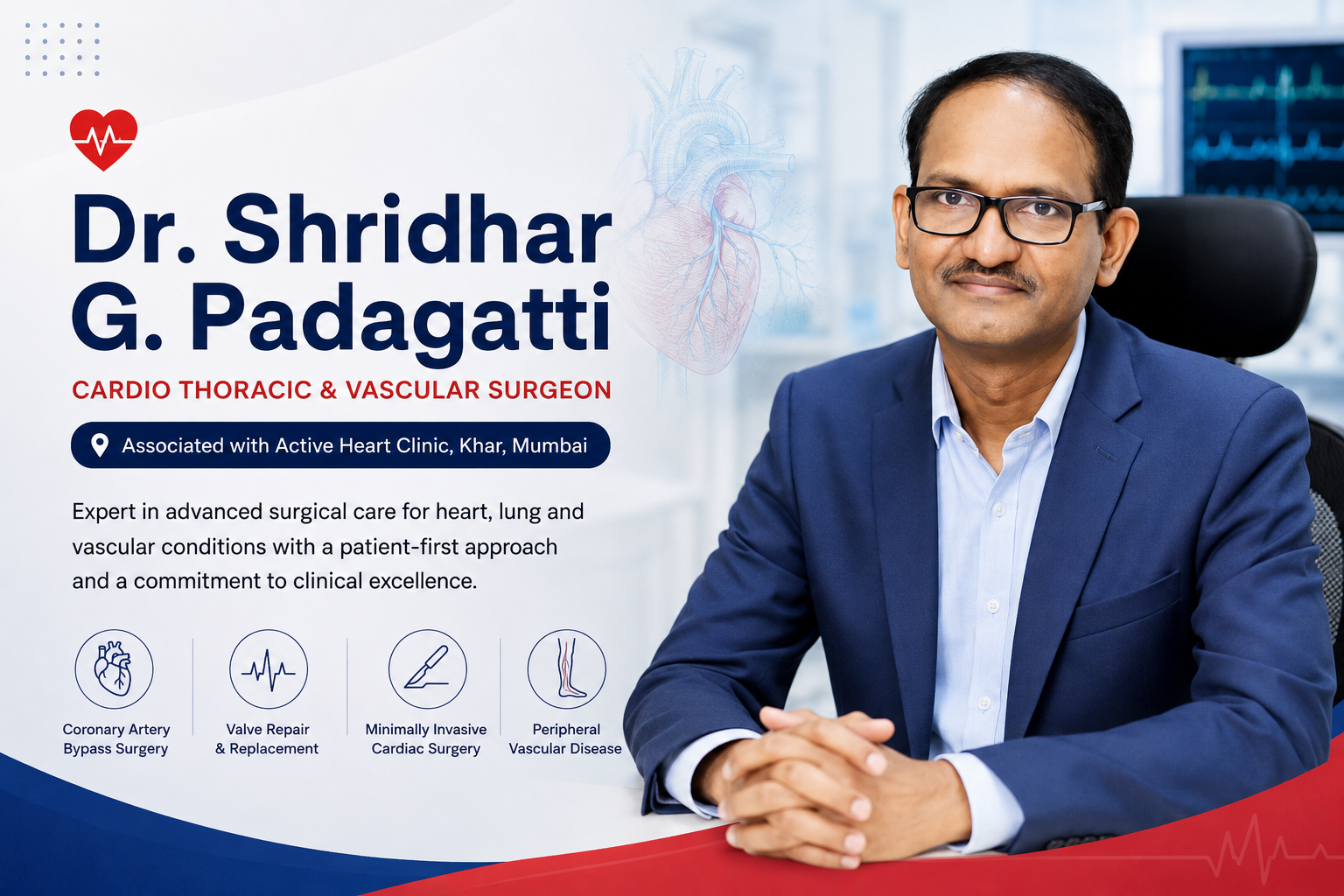
Dr. Shridhar G. Padagatti at Active Heart Clinic in Khar West, Mumbai, provides vascular care for conditions affecting blood vessels, including peripheral vascular problems. Patients experiencing persistent varicose vein symptoms can seek a professional evaluation to understand the cause and appropriate treatment options.
Most varicose veins do not become dangerous, but advanced or untreated venous disease can cause complications such as skin changes, ulcers, bleeding and inflammation. Medical evaluation is recommended when symptoms are worsening.
You should consider consulting a vascular surgeon if you have persistent pain, swelling, skin discoloration, non-healing wounds, bleeding or veins that suddenly become painful, red or hard.
Varicose veins can be associated with superficial blood clots and inflammation. Deep vein thrombosis is a separate and more serious condition that requires prompt medical assessment.
Established varicose veins generally do not disappear completely on their own. Lifestyle measures may help control symptoms, while medical or minimally invasive treatments may be considered when symptoms are significant.
A vascular surgeon can evaluate your veins and recommend suitable treatment based on your condition. Dr. Shridhar G. Padagatti at Active Heart Clinic in Khar West, Mumbai, provides evaluation and treatment for vascular conditions.
Conclusion
Varicose veins are often harmless, but they should not always be treated as a cosmetic problem. Persistent pain, swelling, skin changes, ulcers, bleeding or sudden changes in a vein can indicate a more significant vascular issue.
If you are experiencing troublesome varicose veins, getting evaluated by a qualified vascular surgeon can help identify the underlying problem and guide appropriate treatment.
For patients searching for a vascular surgeon in Mumbai or varicose vein treatment in Mumbai, Dr. Shridhar G. Padagatti at Active Heart Clinic, Khar West, can provide specialist evaluation and vascular care based on individual needs.
Leave a Comment