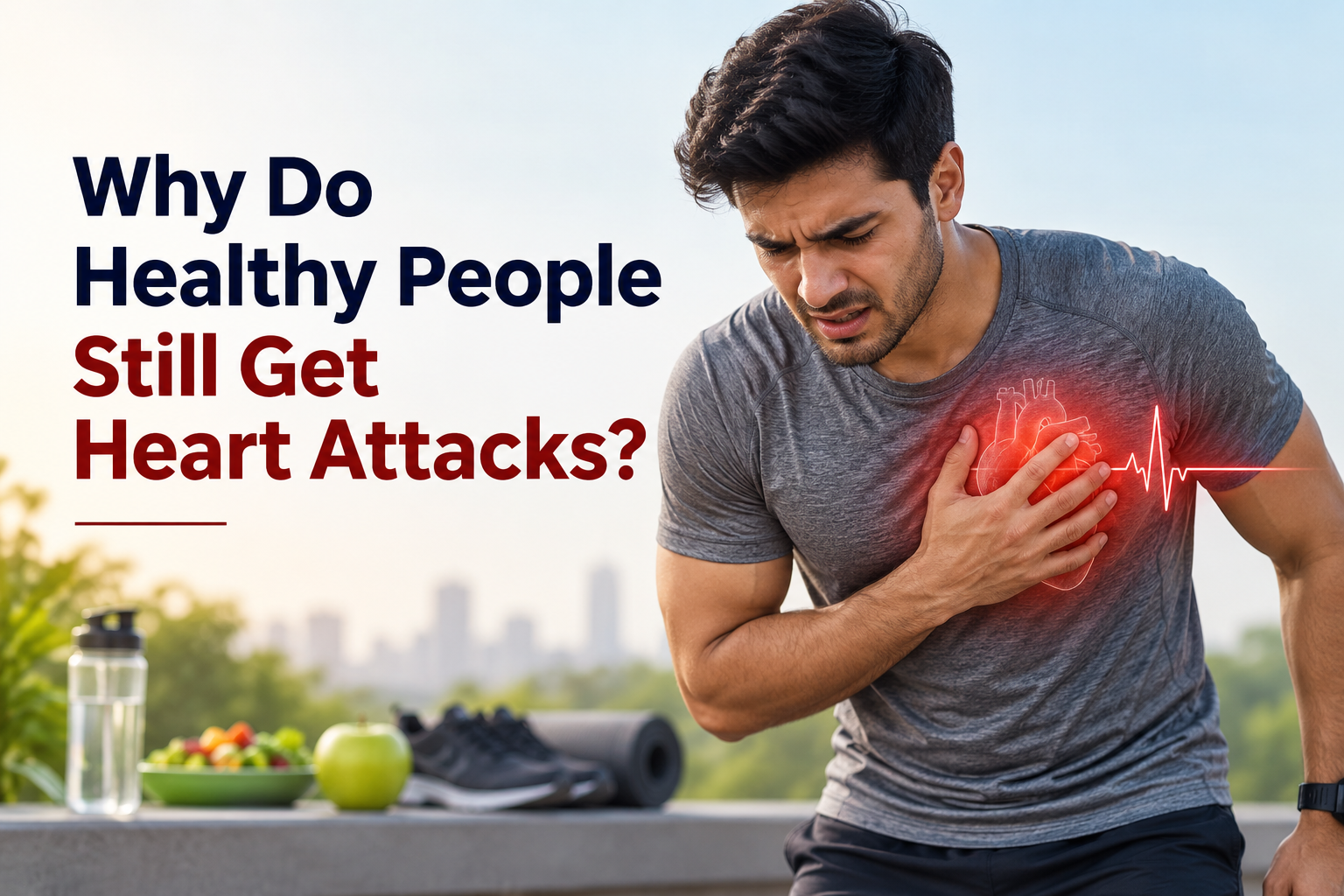
A heart attack is often associated with obvious risk factors such as obesity, smoking, diabetes, high cholesterol, or high blood pressure. But sometimes, a person who appears healthy, exercises regularly, eats well, and has no known heart condition can still experience a heart attack.
This can be surprising and frightening. However, being healthy on the outside does not always mean that the arteries and heart are completely free from risk.
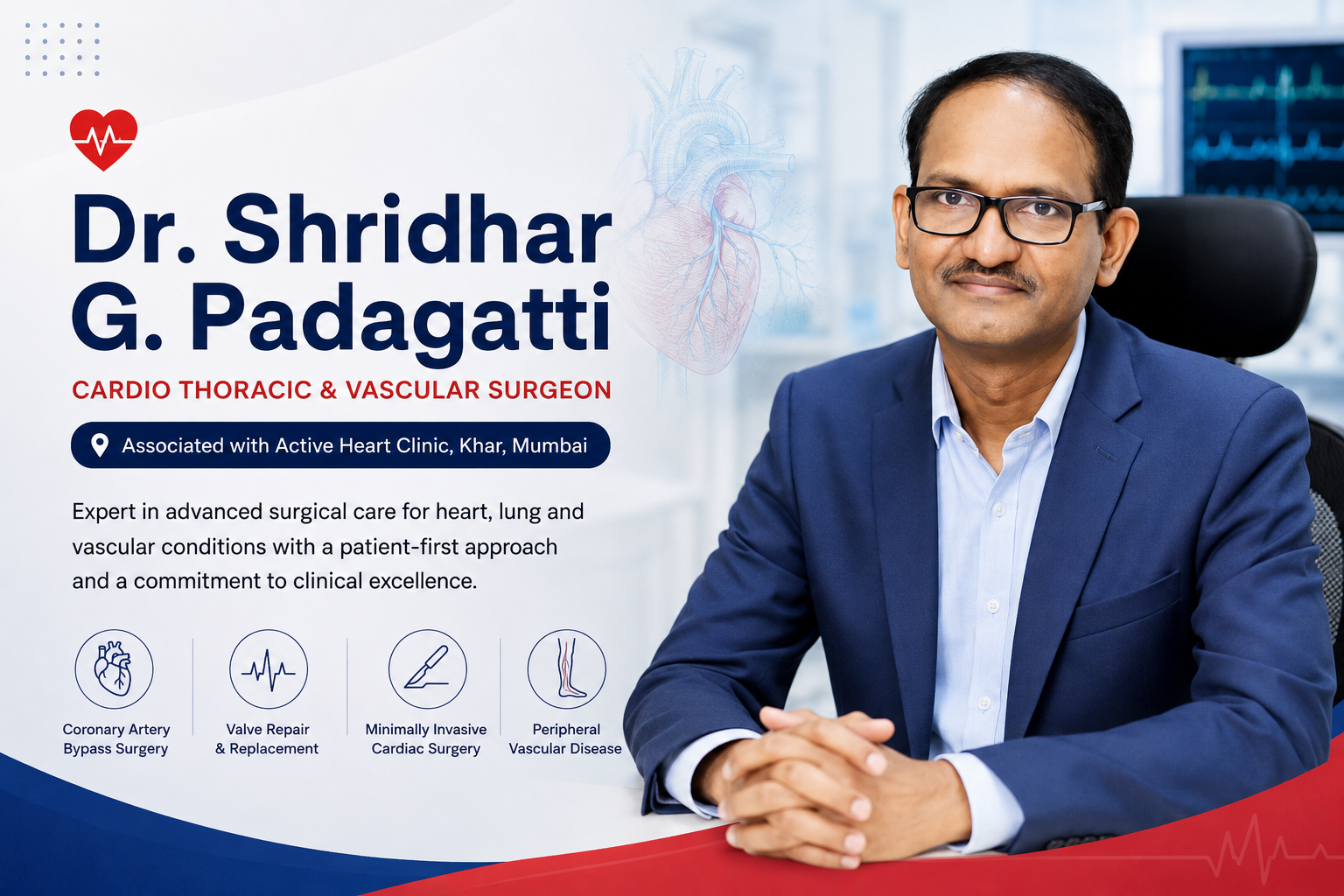
At Active Heart Clinic, Dr. Shridhar G. Padagatti, Cardio Thoracic and Vascular Surgeon in Mumbai, focuses on helping patients understand cardiovascular risks, recognize warning signs, and seek appropriate medical care when needed.
What Is a Heart Attack?
A heart attack, medically known as myocardial infarction, occurs when blood flow to part of the heart muscle becomes blocked. Without adequate oxygen-rich blood, the affected heart muscle can become damaged.
Most heart attacks are associated with coronary artery disease, where fatty deposits called plaques build up inside the coronary arteries. However, heart attacks can also occur through other mechanisms, including blood clots, coronary artery spasm, or spontaneous tearing of an artery.
This is one reason why a person with no obvious risk factors can occasionally develop a heart attack.
1. Hidden Cholesterol Can Go Undetected
High cholesterol usually does not cause noticeable symptoms. A person can feel energetic, maintain a healthy weight, and exercise regularly while still having elevated LDL cholesterol.
Over time, cholesterol-containing plaque can accumulate inside the coronary arteries. In some cases, a plaque can rupture and trigger the formation of a blood clot, suddenly reducing blood flow to the heart.
Regular health check-ups and appropriate cholesterol testing can help identify this hidden risk.
2. Family History Can Increase Risk
Genetics can play an important role in cardiovascular health.
Some people inherit a tendency toward:
High cholesterol
High blood pressure
Premature coronary artery disease
Abnormal blood clotting
Certain heart conditions
If close family members developed heart disease or heart attacks at a relatively young age, it is worth discussing your personal risk with a healthcare professional.
A healthy lifestyle remains important, but genetics may mean that additional screening is appropriate.
3. Stress Can Affect Cardiovascular Health
Modern life can involve continuous work pressure, financial concerns, lack of sleep, and emotional stress.
Short-term stress is a normal response, but persistent stress can influence heart health by increasing heart rate and blood pressure. It can also affect sleep, eating habits, physical activity, and other behaviors that contribute to cardiovascular risk.
In rare situations, severe emotional or physical stress can trigger a condition known as stress-induced cardiomyopathy, which can temporarily weaken the heart muscle.
Managing stress should therefore be considered part of a complete heart-health strategy.
4. Smoking and Tobacco Exposure
Some people who smoke occasionally may consider themselves “healthy smokers.” Unfortunately, there is no completely safe level of tobacco exposure.
Smoking can damage the lining of blood vessels, promote plaque formation, increase clotting tendency, and reduce the amount of oxygen available to the body.
Even if you exercise and maintain a healthy diet, smoking can significantly increase cardiovascular risk.
Quitting tobacco is one of the most important steps you can take to protect your heart.
5. High Blood Pressure May Have No Symptoms
High blood pressure is often called a “silent” condition because many people do not notice any symptoms.
Persistently elevated blood pressure can place additional strain on the heart and damage the arteries over time. This can contribute to coronary artery disease and increase the risk of heart attack and stroke.
Checking your blood pressure regularly is therefore important, even if you feel completely well.
6. Diabetes and Blood Sugar Problems Can Be Hidden
Diabetes can develop gradually, and some people may not know they have it.
High blood sugar can damage blood vessels and contribute to the development of cardiovascular disease. People with diabetes may also have other associated risk factors, such as high blood pressure or abnormal cholesterol levels.
Routine blood sugar testing can help identify problems early.
7. Lack of Sleep May Affect Your Heart
Sleep is often overlooked when discussing cardiovascular health.
Poor-quality or insufficient sleep can affect blood pressure, stress hormones, metabolism, and overall lifestyle habits. Certain sleep disorders, such as sleep apnea, can also place additional stress on the cardiovascular system.
Prioritizing consistent, restorative sleep can support better long-term heart health.
8. Being Slim Does Not Always Mean Being Heart-Healthy
Body weight is only one part of cardiovascular health.
A person can have a normal body weight while still having:
High cholesterol
High blood pressure
Diabetes
A sedentary lifestyle
Poor dietary habits
A family history of heart disease
This is why overall cardiovascular risk is more important than weight alone.
9. Unusual Causes Can Trigger a Heart Attack
Not every heart attack results from traditional plaque buildup.
Certain uncommon conditions can affect the coronary arteries, including coronary artery spasm and spontaneous coronary artery dissection (SCAD). These conditions can occur even in people without typical cardiovascular risk factors.
For this reason, unexplained chest symptoms should never be dismissed simply because someone appears healthy.
Warning Signs You Should Never Ignore
A heart attack does not always begin with severe chest pain.
Possible warning signs include:
Pressure, heaviness, or discomfort in the chest
Pain spreading to the arm, shoulder, jaw, neck, or back
Shortness of breath
Cold sweating
Nausea or vomiting
Sudden unusual fatigue
Dizziness or light-headedness
Symptoms can vary between individuals. Women, older adults, and people with diabetes may sometimes experience less typical symptoms.
If symptoms suggest a heart attack, seek emergency medical attention immediately rather than waiting for them to disappear.
How Can Apparently Healthy People Reduce Their Risk?
You do not need to wait until you develop symptoms to start protecting your heart.
Consider these simple steps:
Check blood pressure periodically.
Get cholesterol levels evaluated when appropriate.
Monitor blood sugar.
Stay physically active.
Eat a balanced, heart-friendly diet.
Avoid smoking and tobacco.
Maintain a healthy sleep routine.
Manage chronic stress.
Know your family history.
Attend regular health check-ups based on your age and risk factors.
The goal is not to live in fear of a heart attack. Instead, it is to understand that cardiovascular health involves more than appearance or fitness level.
Yes. Exercise significantly supports cardiovascular health, but it does not eliminate every risk. Genetics, hidden cholesterol, high blood pressure, diabetes, smoking, and certain less common coronary conditions can still contribute to heart attacks.
Yes. High cholesterol generally does not produce obvious symptoms. Over time, LDL cholesterol can contribute to plaque formation in coronary arteries, potentially increasing the risk of a heart attack.
Chronic stress can negatively affect cardiovascular health by influencing blood pressure, heart rate, sleep, and lifestyle behaviors. Severe physical or emotional stress can also trigger certain heart conditions.
There is no single schedule that suits everyone. The appropriate frequency depends on factors such as age, family history, blood pressure, cholesterol, diabetes, smoking, and previous medical conditions. A healthcare professional can recommend appropriate screening.
A cardiac surgeon may become involved when a patient has significant coronary artery disease, complex blockages requiring bypass surgery, serious valve disease, or another condition that may require surgical treatment. Your cardiologist can guide you regarding whether a surgical consultation is appropriate.
Conclusion
A healthy appearance does not guarantee healthy arteries. Heart attacks can occasionally occur in people who exercise, maintain a healthy weight, or have never been diagnosed with heart disease.
Understanding hidden risk factors and paying attention to unusual symptoms can make an important difference. Regular health assessments, a balanced lifestyle, and early medical evaluation can help identify cardiovascular problems before they become serious.
For patients requiring specialized cardiac or vascular surgical evaluation in Mumbai, Dr. Shridhar G. Padagatti at Active Heart Clinic provides care for a range of cardiovascular and cardiothoracic conditions. If you have been diagnosed with coronary artery disease or advised to consider heart surgery, a specialist consultation can help you understand the available treatment options.
Leave a Comment